Everyday Nutrition Guide

What Could A Short After-Meal Walk And Biblical drink (oil)/ Honey blend Teach You About Your Own Meal Routine?

This guide looks at simple daily habits — like stepping outside after a meal — and the traditional kitchen story behind Biblical drink (oil)/ Honey blend, alongside practical ideas for organizing meals. Always keep working with the healthcare professional who follows your care, and never change your treatment on your own.

Everyday Nutrition  ·  Daily Habits  ·  Educational Content  ·  Everyday Nutrition  ·  Daily Habits  ·  Educational Content

Does Your Day Look Like This?

Before talking about any single habit, it helps to name what daily meal-tracking actually feels like. Here are four patterns many people recognize in their own routine.

The After-Lunch Rollercoaster

A burst of energy right after eating, followed by a heavy slump an hour later — and the guessing game of what caused it.

Mornings That Start Tired

Waking up already feeling like the day is behind schedule, before a single meal has even been decided.

The 'What Should I Eat' Loop

Standing in front of the fridge, unsure if a food choice fits the day, and reopening the same question at every meal.

The Weight Of Deciding Everything

Every plate becomes a small decision to make alone, three times a day, with no simple system to lean on.

Myths vs. Facts: Carbs, Fruit & 'Diabetic Food'

A lot of everyday confusion around meals comes from ideas that sound true but don’t hold up. Here’s a plain-language look at three of the most common ones.

MYTH

All carbohydrates are ‘the enemy’ and should be avoided completely.

FACT

Carbohydrates are one part of a broader meal pattern. Many people focus on the type, portion, and pairing of carbs rather than removing them altogether — always guided by their own care team.

MYTH

Fruit is basically candy and should be cut out entirely.

FACT

Whole fruit is commonly discussed as part of a varied plate. How it fits into someone’s day is a personal conversation to have with a healthcare professional, not a blanket rule.

MYTH

There is a special ‘diabetic food’ category that is always the safe choice.

FACT

There isn’t one universal list of ‘safe’ foods for everyone. Meal choices are typically personalized, which is exactly why ongoing guidance from a treating professional matters.

Three Meal Habits Worth Paying Attention To

None of these steps are a program to follow blindly — think of them as small, practical angles to notice in your own routine.

01

Step 1 — Rethink The Order On Your Plate

Some people notice a difference in how a meal feels when vegetables and protein are eaten before the starchier parts of the plate. It’s a small sequencing habit, not a rule.

02

Step 2 — Slow Down The Rhythm Of The Meal

Eating at a slower pace, with pauses between bites, is a habit many people build gradually. It’s about awareness during the meal, not a strict timer.

03

Step 3 — Add A Short Walk After Eating

A short, easy walk after a meal is a habit worth exploring for how it fits into a daily routine. As always, any change to activity or diet should be discussed with the doctor or care team who knows your full health picture — this is a routine idea, not medical direction.

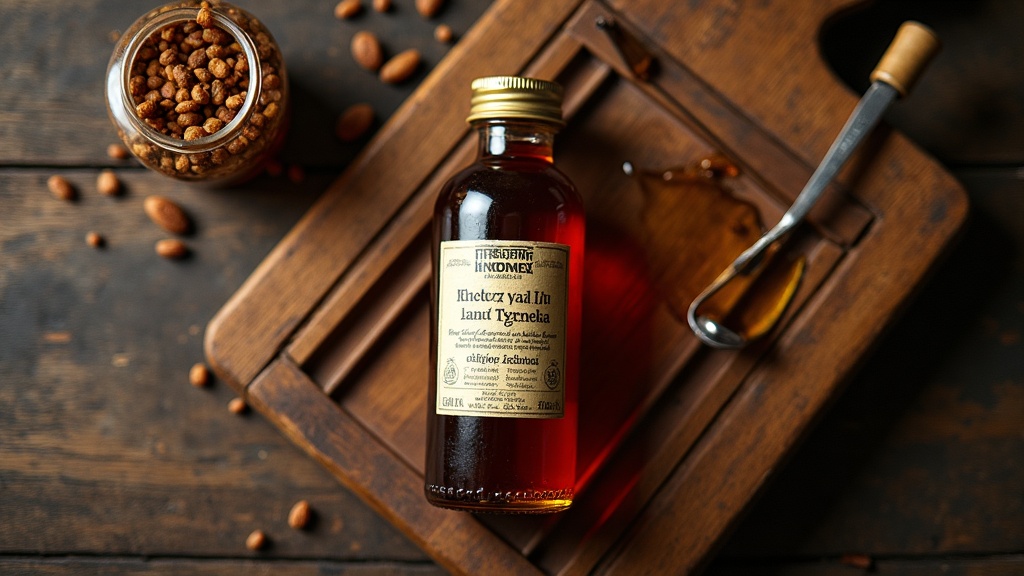
Where Biblical drink (oil)/ Honey blend Comes From

Long before it had a modern name, the pairing of oil and honey shows up in old Mediterranean and Middle Eastern kitchen traditions, often mentioned in ancient texts as a symbol of hospitality and nourishment. Cooks would drizzle a blend of olive oil and honey over warm bread, stir it into simple drinks offered to guests, or fold it into early versions of sweet-savory dishes served at gatherings. It traveled through generations as a pantry staple tied to celebration and shared meals, passed down more as a culinary custom than a formal recipe.

The story here is about kitchen heritage and hospitality — not about any effect on the body. It’s presented purely as culinary history.

Six Moments Worth A Conversation With Your Doctor

Noticing New Energy Patterns

If your energy through the day feels different than usual in a way that concerns you, that's worth mentioning at your next visit — not something to interpret on your own.

Changes In Appetite Or Thirst

Any noticeable shift in how hungry or thirsty you feel deserves a conversation with the professional who manages your care, rather than a guess.

Meals That Feel Harder To Plan

If planning meals suddenly feels more complicated than before, it may be worth discussing with your care team so they can help adjust guidance to your situation.

Sleep That Doesn't Feel Restful

Ongoing tiredness after a full night's sleep is a good topic to bring up with your doctor, who can look at the full picture.

Any New Symptom That Worries You

New or unusual symptoms — however small they seem — are best brought directly to a healthcare professional rather than researched alone.

Questions About How Food Fits Your Care Plan

If you're unsure how a food habit lines up with your current treatment plan, ask your doctor before making any changes on your own.

How Other People Talk About Their Routines

Breaking my meals down into smaller decisions instead of one big daily puzzle made the whole week feel less overwhelming.

Melissa Grant
Illustrative account
The idea of a short walk after dinner became part of my evening — nothing dramatic, just something I look forward to now.
Thomas Reyes
Illustrative account
Learning about the order of food on my plate gave me a small, simple habit to focus on instead of overthinking every ingredient.
Priya Nandan
Illustrative account

These are individual accounts shared for illustrative purposes only. Names are fictional, experiences vary from person to person, and none of this reflects clinical results, lab values, or medication changes. Always consult your doctor before adjusting your diet or treatment.

Ready To Look At Your Meal Routine Differently?

Explore the full guide to everyday meal habits, kitchen traditions, and simple routine ideas. This content is educational and does not replace medical advice — always talk with your doctor before changing anything about your diet, activity, or treatment.

Advertising Disclosure: This page contains sponsored content and affiliate links. We may receive compensation if you click on or make a purchase through links on this page. This compensation may impact how and where products or offers appear on this site.

Content Disclaimer: This content is provided for educational and informational purposes only. It has not been evaluated by the FDA and is not intended to diagnose, treat, cure, or prevent any disease. It does not substitute professional medical advice, diagnosis, or treatment. Always consult a qualified healthcare professional before changing your diet, routine, or any prescribed treatment.

Results Disclaimer: Individual results and experiences vary. Any testimonials or accounts shared on this page are individual experiences and are not a guarantee of similar outcomes for any other person.

© 2026 · All Rights Reserved